
Table of Contents
Quick Answer
The best heat pump brands for cold climates like Portland are Mitsubishi, Daikin, Carrier Infinity, Lennox Signature, and Trane. Mitsubishi CITY MULTI and Hyper-Heat systems offer superior low-temperature performance with hyper-heating technology. Daikin provides flash injection for efficient heating down to -13°F. Carrier Infinity excels in dual-fuel setups with Greenspeed intelligence. Lennox Signature delivers high HSPF ratings with quiet operation. Trane offers reliable cold-weather performance with Climatuff compressors. We'll identify the current utility and Energy Trust incentives your installation may qualify for and list confirmed savings in your estimate. Eligibility and offers can change.
Portland Climate Demands for Heat Pumps
Portland’s marine climate keeps heat pumps busy for nine months a year. Consider these conditions when evaluating equipment and installation packages.
Shoulder Seasons Dominate Runtime
Portland’s average winter highs hover between 42-48°F, so heat pumps spend most of the season at part load. Inverters that modulate to 15-120% capacity deliver steady comfort and superior dehumidification.
Occasional Arctic Outbreaks
Gorge winds can plunge outdoor temps to 10-20°F for several days. Choose heat pumps with rated heating capacity at 5°F and robust defrost algorithms to avoid auxiliary heat dependency.
Wildfire Smoke & Indoor Air Quality
Late summer smoke persists into fall. Systems should support MERV 13 filters and whole-home purifiers while maintaining airflow at lower fan speeds.
Dual-Fuel Opportunities
Many Portland homes retain gas furnaces. Hybrid systems that switch to gas below 32°F balance comfort, utility rates, and Energy Trust incentives.
Top Cold-Climate Heat Pump Brands for 2025
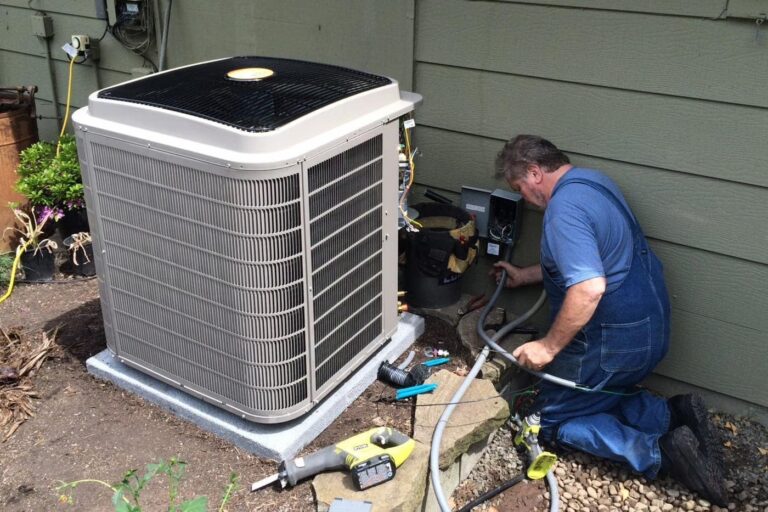
These five manufacturers lead the pack for Portland installations thanks to proven cold-weather capacity, local parts availability, and strong warranties. Most of these systems double as your central air conditioner too, so upgrading to one of our a c heat pumps often means retiring an aging AC unit in the same project.
Mitsubishi Hyper-Heat (H2i) M-Series & P-Series
Strengths: Delivers 100% heating capacity down to 5°F, maintains operation at -13°F, and offers individual zone control. i-see sensors monitor occupant temperature for precise comfort.
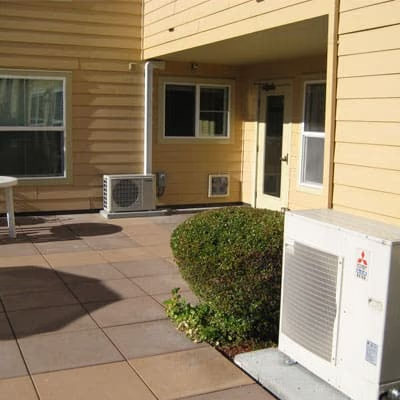
Ideal for: Homes without ducts, ADUs, remodels with mixed-use spaces, and homeowners prioritizing room-by-room control.
Portland standout: PAC-US444CN-1 controls integrate with Bryant/Carrier furnaces for dual-fuel setups while preserving Hyper-Heat performance.
Daikin Fit & VRV LIFE
Strengths: Compact side-discharge outdoor unit with 0.5 ton modulation increments, 12-year parts warranty, and FlexHeat controls for hybrid configurations.
Ideal for: Tight urban lots and townhomes needing space-saving equipment that still delivers quiet, efficient heating during cold snaps.
Portland standout: Daikin VRV LIFE allows up to three zones sharing one outdoor unit, blending ducted and ductless heads for flexible Portland remodels.
Carrier Infinity 24 (25VNA4)
Strengths: Greenspeed intelligence, 50% capacity in heating down to -15°F, and fully communicating with Infinity furnaces for smooth dual-fuel operation.
Ideal for: Homeowners seeking a high-efficiency replacement that ties into existing ductwork and Infinity smart thermostats.
Portland standout: Carrier’s defrost algorithm adapts to humidity, reducing energy use during 30-40°F drizzle common in northwest winters.
Lennox SL25XPV (Dave Lennox Signature)
Strengths: 24 SEER2 / 11.8 HSPF2, inverter compressor with Precise Comfort modulation, 55 dB sound rating, and factory-ready integration with Lennox SLP99V furnaces.
Ideal for: High-performance homes requiring top-tier efficiency, quiet operation, and advanced indoor air quality accessories.
Portland standout: Works with Lennox PureAir and Humiditrol systems to maintain 40-50% RH even during smoky, stagnant late-summer weather.
Trane XV20i / Mitsubishi Electric (Trane Advantage)
Strengths: TruComfort inverter maintains steady temperatures, spine-fin coil sheds debris, and service network is extensive across Portland.
Ideal for: Homeowners prioritizing durability and robust cold-climate performance backed by Trane’s regional distribution.
Portland standout: Trane’s partnership with Mitsubishi offers hybrid solutions for challenging floorplans wanting both ducted and ductless zones.
Performance & Specification Comparison
Compare heating capacity, operating range, efficiency metrics, sound levels, and control platforms side-by-side before you choose a brand.
Understanding SCOP, HSPF2 & COP Ratings
Efficiency metrics define how much heat you get per kilowatt. Here’s what matters in the Pacific Northwest’s cold-but-not-frigid climate. For the practical side, our heating efficiency rating guide explains what HSPF means for your bills and how maintenance keeps a system performing at its rated numbers.
COP Matters More Than SEER in Winter
Coefficient of Performance indicates how much heat you get per kilowatt. Aim for COP ≥ 2.5 at 17°F and ≥ 2.0 at 5°F to keep operating costs below electric resistance or gas backup.
HSPF2 vs Legacy HSPF
HSPF2 (2023 standard) yields values roughly 15% lower than legacy ratings. Compare apples-to-apples when reviewing proposals and ensure AHRI certificates list HSPF2.
Defrost Efficiency Impacts Bills
Heat pumps in Portland defrost frequently between 30-40°F with high humidity. Inverter systems that shorten defrost duration and preheat indoor coils save energy.
Installation Cost & Utility Savings Outlook
Balance upfront investment, financing, and long-term energy savings. Use these Portland-specific figures to set expectations. Not sure whether to go budget or premium? Our budget vs premium HVAC brand comparison breaks down the real difference in efficiency, warranty, and lifetime cost across every tier. Ongoing costs matter too. Our glossary defines exactly what HVAC system maintenance includes so you can budget for it accurately.
Installed Investment
Expect $12,500-$18,500 for premium cold-climate heat pumps with new air handlers or furnace integration. Ductless Hyper-Heat systems with multiple heads range $10,000-$16,000.
Operating Cost Savings
Switching from electric resistance heat to a 10 HSPF2 heat pump can save $900-$1,400 per winter at PGE rates. Dual-fuel systems reduce NW Natural usage by 30-50%.
Maintenance Budget
Plan $320-$480 per year for biannual tune-ups covering heating and cooling modes, coil cleaning, and defrost calibration checks.
Energy Trust Rebates & PGE Incentives
Cold-climate heat pumps can qualify for Energy Trust and utility incentives. We handle all paperwork and factor rebates into our proposals.
Energy Trust of Oregon
Incentives for cold-climate heat pumps replacing electric resistance heat or existing heat pumps with ≥9.5 HSPF2 equipment. Trade ally installation required.
Check current incentives before you buy
Available incentives depend on your utility, equipment and installation date. Ask us to confirm the current Energy Trust of Oregon and utility offers in your written estimate. Do not include the federal Energy Efficient Home Improvement Credit in savings for a new 2026 installation; the IRS lists that credit for qualifying improvements through 2025.
PGE Smart Thermostat & Peak Time
Bill credits for participating devices that pre-heat before peak periods. Works well with communicating thermostats paired to inverter heat pumps.
Dual-Fuel & Smart Thermostat Integration
The right controls protect comfort and energy savings. Consider these integration points when upgrading your system. And if you keep a gas furnace for backup heat, know the safety basics too, the HVAC sulfur smell Portland homeowners occasionally report can signal a gas leak that needs immediate attention.
Dual-Fuel Balance Point Optimization
Communicating controls automatically switch to furnace heat when outdoor temperatures drop below the heat pump’s efficient range, protecting comfort and bills.
Smart Thermostat Automation
Bryant/Carrier, Lennox, Daikin, and Trane all support geofencing, humidity targeting, and Energy Trust-approved demand response programs.
Electrical Upgrades & Surge Protection
Inverters require dedicated circuits, surge protectors, and often load management devices. Factor in $1,000-$2,200 for panel upgrades in older Portland homes.
Comfort, Noise & Defrost Cycle Considerations
Comfort is more than temperature. Evaluate sound ratings, defrost behavior, and indoor air quality integrations when choosing a system.
Low Sound Levels Indoors & Out
Inverter compressors ramp gradually, keeping outdoor sound in the mid-50 dB range, critical for side-yard placements near bedrooms or neighbor patios.
Defrost Intelligence
Carrier, Mitsubishi, and Lennox monitor coil temperature and humidity to minimize defrost time, reducing cold-air blasts during rainy 35°F mornings.
IAQ Compatibility
Look for factory support for MERV 13 filters, HEPA bypass units, and UV systems. Mitsubishi, Carrier, and Lennox offer dedicated IAQ accessories for wildfire smoke mitigation.
Decision Checklist for Portland Homes
Use this checklist when reviewing proposals to ensure the recommended equipment, balance point, and incentives align with Portland’s climate and your home’s load profile.
- Gather heating bills to model energy savings and determine the heat pump balance point.
- Request AHRI certificates with HSPF2, SCOP, and 5°F capacity data for each proposal.
- Confirm installers provide Manual J load calculations, duct static pressure testing, and commissioning reports.
- Consider dual-fuel if you already have a high-efficiency furnace and want lower upfront costs.
- Plan for smart thermostat integration to unlock rebates, demand response, and remote monitoring.
Thinking About a Cold-Climate Heat Pump?
Efficiency Heating & Cooling is a Portland heating and cooling company that designs, installs, and commissions Mitsubishi, Daikin, Carrier, Lennox, and Trane inverter systems for homes across Portland, Beaverton, Hillsboro, and the Gorge. We handle Manual J calculations, electrical coordination, and Energy Trust paperwork start to finish.
Related HVAC services
Heat Pump Replacement & Installation
New AC System Installation
Gas Furnace Installation
Sources
- Air Source Heat Pumps, ENERGY STAR (U.S. EPA). Notes that ENERGY STAR verifies cold-climate heat pump performance down to 5 degrees F, and advises talking with your contractor about a cold-climate model if winter temperatures regularly dip below freezing
Frequently Asked Questions
Which heat pump keeps heating in the coldest Portland weather?
Mitsubishi Hyper-Heat and Carrier Infinity 24 maintain the highest capacity at 5°F, making them top picks when you want minimal reliance on backup heat during Gorge cold snaps.
Do I still need a furnace with a cold-climate heat pump?
Not necessarily. All brands listed can provide primary heat down to single digits. Many homeowners keep their furnace for redundancy or leverage a dual-fuel balance point for energy savings.
How do I qualify for Energy Trust rebates?
Work with an Energy Trust trade ally (like Efficiency Heating & Cooling), install qualifying HSPF2 equipment, and submit AHRI certificates. We handle paperwork and deduct rebates from your invoice when possible.
What maintenance do cold-climate heat pumps need?
Biannual tune-ups covering coil cleaning, refrigerant checks, defrost calibration, and electrical testing protect efficiency and keep warranties intact.
Are ductless systems better than ducted heat pumps?
Ductless excels in homes without ducts or when you need independent zone control. For whole-home comfort with existing ductwork, ducted inverters from Carrier, Lennox, or Trane deliver familiar airflow and filtration.
Can I integrate a heat pump with my gas furnace?
Yes. Carrier, Bryant, Lennox, Daikin, and Trane all offer dual-fuel controls that automatically switch to gas heat when outdoor temperatures drop below your selected balance point.
How noisy are modern heat pumps?
Inverter-driven systems operate between 50-58 dB outdoors, similar to a quiet conversation. Proper placement, isolation pads, and zoning prevent noise transfer into living areas.
What size electrical service do I need?
Most 3-5 ton inverters require 30-50 amp circuits. Older 100-amp panels may need upgrades. We coordinate with licensed electricians to ensure code compliance and surge protection.