
Table of Contents
Understanding Portland’s Pollen Calendar
Portland ranks in the top 20 toughest U.S. cities for allergy sufferers. Once you know which pollens spike and when, you can time your filter swaps, fan schedules, and system upgrades accordingly. Our affordable HVAC maintenance plans keep those on schedule automatically.
Spring (March-May): Tree Pollen
Birch, alder, maple, and oak dominate spring counts, with April peaking above 1,000 grains per cubic meter. Downtown, West Hills, and Eastmoreland neighborhoods feel the full force.
Summer (June-August): Grass Pollen
Ryegrass, timothy, and bluegrass thrive in Portland’s long daylight hours. Suburbs with extensive lawns: Beaverton, Tigard, and Hillsboro, see elevated levels in June.
Fall (September-October): Weed Pollen
Ragweed, sagebrush, and nettles surge as summer lawns dry out. The Columbia River Gorge and areas near Sauvie Island experience particularly high weed pollen counts.
How HVAC Systems Help or Hurt Allergies
Your HVAC system is either filtering pollen out or blowing it around your house. How well you maintain it decides which one.
How HVAC Helps
Filtration captures airborne pollen, and continuous fan operation keeps filtered air circulating. Properly maintained ducts and coils prevent pollen from resettling indoors.
How HVAC Hurts
Undersized filters, dirty coils, or leaky ducts recirculate allergens. Standard MERV 8 filters only remove about 50% of pollen-sized particles, leaving allergy sufferers miserable.
Core HVAC Strategies for Allergy Relief
These are the moves that actually make a difference when pollen counts climb. Start here. They form the foundation for cleaner indoor air. For the full seasonal picture, our spring HVAC checklist covers everything from filters to outdoor unit prep before pollen peaks.
Upgrade Filtration to MERV 11-13
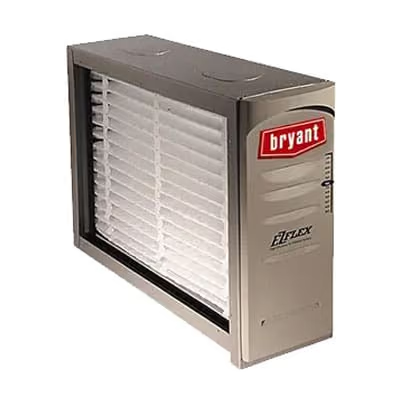
Higher-rated filters catch 85-95% of pollen. Make sure your blower can handle the extra resistance. A media cabinet helps if needed.
Run the Fan Continuously During Peak Counts
Set the fan to "On" or "Circulate" to keep air moving through the filter. This works well when pollen counts spike.
Keep Windows Closed During High Pollen Days
Let your HVAC do the work. Open windows blow pollen onto furniture and into your system.
Change Filters Monthly During Peak Season
Swap filters every 30 days in spring. Dirty filters block airflow and trap pollen inside your system.
Consider Whole-Home HEPA Filtration
HEPA systems remove 99.97% of tiny particles. Great for severe allergies or asthma sufferers.
MERV Filter Guide for Pollen Control
Filter choice matters more than most people think. Here’s how each MERV rating stacks up, and what it actually catches during pollen season.
MERV 1-4
Captures large dust only. Not recommended for Portland’s pollen or wildfire smoke seasons.
MERV 5-8
Standard filters catch some pollen but allow fine particles to circulate. Minimal relief for allergy sufferers.
MERV 9-12
Good balance of airflow and allergen removal. Captures the majority of tree and grass pollen.
MERV 13-16
Excellent filtration for pollen, smoke, and fine dust. Recommended for most Portland homes preparing for spring allergies and wildfire season.
True HEPA
Removes 99.97% of 0.3-micron particles. Install as a dedicated system or in high-use rooms for severe allergy relief.
Whole-Home Allergen Solutions
When filters alone aren’t cutting it, whole-home indoor air quality systems add another layer, catching pollen, wildfire smoke, and indoor contaminants in every room. Dry indoor air during the winter heating season can also worsen sinus irritation, and a bypass humidifier restores balanced humidity without adding mold-friendly moisture.
Whole-Home HEPA Filtration
Installed in-line with existing ductwork, these systems deliver hospital-grade filtration for $800-$2,000. They protect every room without the noise of portable units.
Air Scrubbers and Active Air Cleaners
Devices such as ActivePure scrubbers reduce pollen, odors, and VOCs. Expect costs between $1,200 and $2,000, with continuous operation during allergy season.
UV-C and Bi-Polar Ionization
UV-C lights kill mold spores while ionization devices agglomerate pollen for easier filtration. Systems run $600-$900 installed and complement high-MERV filters.
Energy Recovery Ventilators (ERVs)
ERVs introduce fresh air through high-grade filters without opening windows. They maintain indoor comfort for $1,500-$3,000 and are invaluable during high pollen counts.
Room-by-Room HEPA Units
For immediate relief in bedrooms or home offices, use portable HEPA units with CADR ratings above 300. They supplement central filtration during peak weeks.
Role of Duct Cleaning in Allergy Relief
Clean ducts mean cleaner air. Here’s how duct cleaning and sealing support allergy management throughout the Portland metro.
Remove Accumulated Pollen
Ducts collect pollen every time the system cycles. Professional cleaning removes years of buildup and stops allergens from blowing back into living spaces.
Improve Airflow and Efficiency
Clean ducts reduce static pressure, helping blower motors maintain airflow with higher-MERV filters installed.
Timing Your Service
Schedule duct cleaning in late fall or early spring when pollen counts are lower. Pair it with sealing leaky sections to prevent outdoor pollen infiltration.
Non-HVAC Tips to Reduce Indoor Pollen
Your filtration system does the heavy lifting, but a few daily habits keep pollen from hitching a ride inside in the first place.
- Shower and wash hair before bed to remove pollen collected throughout the day.
- Keep bedroom doors and windows closed at night, and use allergen-proof pillow and mattress covers.
- Remove shoes at the entry and vacuum carpets with a HEPA vacuum at least twice weekly.
- Wash bedding in 130°F water every week to eliminate pollen and dust mite allergens.
- Use a damp microfiber cloth when dusting to capture particles instead of dispersing them.
Portland Neighborhood Pollen Hotspots
Pollen counts vary quite a bit by neighborhood. Knowing your area’s trouble spots helps you time filter changes and upgrades more effectively.
West Hills and Forest Park
Dense tree cover elevates spring pollen counts. Homes benefit from MERV 13 filtration and continuous fan circulation.
Beaverton, Tigard, and Hillsboro
Extensive turf grass contributes to high summer grass pollen. Consider whole-home HEPA systems for layered protection.
Columbia River Gorge and Sauvie Island
Late summer weed pollen blows inland. Prepare with upgraded filters and portable HEPA units for bedrooms.
Inner Southeast Portland
Older homes with leaky windows and ducts draw in pollen easily. Sealing ductwork and adding ERVs with filtration minimizes infiltration.
When to Upgrade Your HVAC for Allergies
Certain situations signal it’s time to invest in advanced filtration and air quality improvements. If these scenarios sound familiar, schedule an assessment with our team.
Persistent Allergy Symptoms Indoors
If medication and basic filters no longer deliver relief, it is time to install high-efficiency filtration and consider duct cleaning.
Multiple Allergy Sufferers or Asthma
Families with several allergy or asthma sufferers gain significant comfort from whole-home HEPA systems and continuous fan automation.
Transitioning to Work-from-Home
Spending more time indoors means ongoing exposure. Upgrading filtration and ventilation protects productivity during peak pollen weeks.
Preparing for Wildfire Smoke Season
High-MERV filters for pollen also tackle PM2.5 from wildfire smoke. Installing upgrades in spring ensures readiness by late July.
Suffering from seasonal allergies?
Our allergen reduction services go beyond filter upgrades: HEPA filtration, UV purification, and humidity control work together to minimize allergen exposure. For the highest-grade particle removal, a whole-house HEPA filter for AC systems captures 99.97% of pollen, dander, and dust mites.
Frequently Asked Questions
What is the best HVAC filter for Portland pollen season?
Most Portland homes benefit from MERV 13 filters during spring. They capture 95% of pollen-sized particles and also help during wildfire smoke season. Check blower specifications or install a media cabinet to handle higher resistance.
Should I run my HVAC fan continuously during pollen season?
Yes. Running the fan on “On” or “Circulate” keeps air moving through the filter, removing more pollen. Pair continuous fan mode with monthly filter changes to maintain airflow.
How often should I change filters during peak pollen?
Change filters every 30 days from March through September when pollen counts and smoke risks run high. Write the installation date on the frame so you never lose track.
Will a whole-home HEPA system really help my allergies?
Whole-home HEPA filtration removes 99.97% of pollen and smoke particles. Clients with seasonal allergies report dramatically reduced symptoms, improved sleep, and cleaner surfaces.
Is duct cleaning worth it for allergy sufferers?
Yes. Duct cleaning removes settled pollen, pet dander, and dust that recirculate every time the system runs. Combine it with sealing to keep outdoor allergens from entering the ductwork.
When is Portland’s worst pollen season?
Tree pollen peaks in April, grass peaks in June, and weed pollen peaks in September. Monitoring daily counts from sources like pollen.com or the OHSU Allergy Clinic helps you plan filter changes and fan schedules.
Can I open windows during pollen season?
Limit window opening to low-pollen days or evenings after rain. Otherwise, keep windows closed and rely on ERVs or filtered HVAC systems for ventilation.
What is the best HVAC upgrade for severe allergies?
A combination of MERV 13 filtration, whole-home HEPA, and duct sealing covers all the bases. Pair these upgrades with smart thermostats that automate continuous fan operation during high pollen alerts.