
Complete guide to locating and using AC reset buttons. Find reset buttons on outdoor units, indoor air handlers, and thermostats. Portland AC troubleshooting for when your air conditioner won’t start.
Owner & Lead HVAC Technician
Every AC has built-in safety features that can trigger a shutdown. When that happens, the fix is often as simple as finding and pressing the reset button. The catch? Most people have no idea where to look.
In Portland, where summer temps push past 90°F and the power grid gets hammered during heat waves, knowing how to reset your AC can be the difference between a cool house and a miserable one. If your unit won't reset, our 24/7 emergency HVAC team can help. Below we cover reset button locations for every major brand and model you’ll find in Portland homes.
Whether you have a central air system, ductless mini-split, or window unit, we'll show you exactly where to look for reset buttons and when it's time to call a professional for AC repair instead of attempting another reset.
Why People Search for AC Reset Buttons
Portland homeowners search for AC reset button locations more than 7,900 times per month on Google. This is because our hot, humid summers (with temperatures often exceeding 90°F) put extra stress on air conditioning systems. When AC units overheat or experience electrical issues, they shut down to prevent damage. Knowing how to safely reset them can restore cooling quickly.
Where to Find AC Reset Buttons
Outdoor AC Unit Reset Button
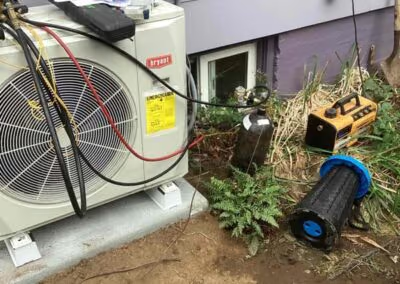
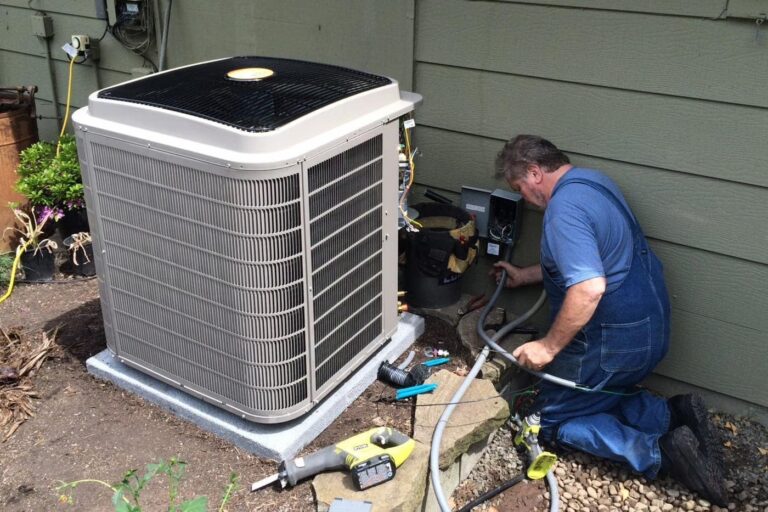
The most common reset button location is on the outdoor compressor/condenser unit. This is the large metal box outside your Portland home, typically installed near the foundation or on a concrete pad.
Where to Look:
- Side panel of the unit (most common)
- Near the bottom or base
- Close to wiring connections
- Sometimes behind a small access door
What to Look For:
- Small red or yellow button
- Size of a pencil eraser
- May be recessed to prevent accidental pressing
- Often labeled "RESET" or just a colored button
Portland Tip: In rainy Portland weather, outdoor reset buttons may be protected under the unit or require moving landscaping to access.
Indoor Air Handler/Furnace Reset Button
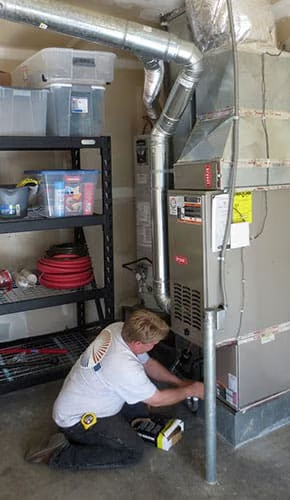
Many central AC systems have reset buttons on the indoor air handler or furnace. In Portland homes, these are typically located in basements, crawlspaces, garages, or utility closets.
Common Locations:
- On the side of the air handler unit
- Near the blower motor compartment
- Behind access panels
- Sometimes on the furnace control board
Access Tips:
- May require removing a panel or door
- Often near the power disconnect switch
- Check for red reset button on circuit board
- Some have toggle switches instead
Portland homes often have air handlers in damp basements, so these reset buttons may be more prone to corrosion or moisture issues.
Thermostat Reset Methods
Modern thermostats don’t always have physical reset buttons, but they have reset procedures. In Portland homes, common thermostat brands include Honeywell, Nest, and Ecobee.
Physical Reset Buttons:
- Older thermostats have small reset holes
- Use paperclip to press internal button
- Some have buttons on the faceplate
- Digital thermostats may have menu resets
Digital Reset Methods:
- Hold specific buttons for 3-5 seconds
- Access menu settings for factory reset
- Power cycle by removing batteries
- Check manual for model-specific procedure
Portland’s PGE smart meter programs often include thermostat rebates, so many homes have newer digital models with menu-based resets.
Circuit Breaker vs. Reset Button
It’s important to understand the difference between your home’s circuit breaker and the AC’s reset button. In Portland homes, both can trip during summer heat waves or electrical storms.
Circuit Breaker (Electrical Panel):
- Protects entire electrical circuit
- Located in main electrical panel
- May be labeled "AC" or "Air Conditioner"
- Flip switch to reset
AC Reset Button (Unit Itself):
- Resets AC internal safety controls
- Located on AC unit components
- Only affects air conditioning system
- Push button to reset
During Portland’s summer thunderstorms, power surges can trip both breakers and AC reset buttons simultaneously.
How to Properly Reset Your AC
Step-by-Step Reset Procedure
- 1Locate the Reset ButtonFind the reset button on your outdoor AC unit (most common) or indoor air handler. In Portland homes, outdoor units are usually accessible from ground level.
- 2Check Power SourceVerify the circuit breaker for your AC is in the ON position. During Portland heat waves, PGE may experience higher call volumes for power issues.
- 3Wait Before ResettingAllow 30-60 seconds after the AC shuts down before attempting to reset. This prevents electrical damage and allows capacitors to discharge.
- 4Press and Hold Reset ButtonPress the reset button firmly for 3-5 seconds, then release. You should hear a click. The AC may restart immediately or after a short delay.
- 5Verify AC OperationListen for the outdoor fan and check if cool air is blowing from indoor vents. Set your thermostat 5°F below room temperature to test.
Safety Precautions
- Never reset an AC that’s making unusual noises or smells
- Don’t attempt resets during electrical storms in Portland
- If you’re unsure about electrical safety, call a professional
- Keep children and pets away from AC units during operation
When Reset Works vs. When to Call a Tech
Reset Usually Works For:
- Tripped circuit breaker from power surge
- Brief electrical interruption
- Safety shutdown from high pressure
- Compressor overload from heat wave
- Temporary thermostat glitch
Call a Tech When:
- AC trips repeatedly after reset
- Unit won’t start after multiple resets
- Unusual noises or burning smells
- Water leaking from indoor unit
- System is more than 8-10 years old
Common AC Problems That Feel Like "Needs Reset"
Dirty Air Filter (Most Common Portland Issue)
Portland’s cottonwood season (late May-June) fills air filters with tree pollen and debris. A clogged filter restricts airflow, causing the AC to overheat and trip its safety controls. This feels like it "needs reset" but actually needs a filter change.
Solution: Replace filter every 30-60 days during pollen season. Clean or replace filters monthly in Portland homes.
Cost to fix: $10-30 for new filter
Tripped Breaker or Blown Fuse
During Portland’s summer heat waves, AC units draw maximum power. Power surges from thunderstorms or PGE grid stress can trip breakers. This is different from the AC reset button - you need to reset the breaker in your electrical panel first.
Solution: Locate your electrical panel and flip the AC breaker to OFF, then back to ON. Wait 30 seconds before trying the AC reset button.
Cost to fix: Free if breaker is fine; electrician service if panel needs repair ($150-300)
Bad Capacitor ($150-$350 Repair)
AC capacitors store electrical charge to start the compressor and fan motors. Portland’s hot summers and infrequent AC use cause capacitors to fail. A bad capacitor prevents the AC from starting, making it seem like it needs reset.
Signs: AC clicks but won’t start, or starts then immediately shuts off. Capacitors cost $20-100 to replace, labor $100-200.
Cost to fix: $150-350 for capacitor replacement
Failed Contactor
The contactor is an electrical switch that tells the AC when to start. In Portland’s humid climate, contactors can develop corrosion or burn out from electrical arcing. This causes the AC to not respond to the thermostat.
Solution: Professional replacement required. Contactor is located in the outdoor unit and may be covered under maintenance plan.
Cost to fix: $200-400 for contactor replacement
Low Refrigerant
Refrigerant leaks are common in older Portland AC systems. Low refrigerant causes the evaporator coil to freeze, tripping safety controls. This makes the system seem like it needs reset when it actually needs refrigerant and leak repair.
Signs: AC runs but doesn’t cool well, or ice forms on copper lines. Requires EPA-certified technician for repair.
Cost to fix: $200-1,500 depending on leak location and extent
Frozen Evaporator Coil
When airflow is restricted (dirty filter, closed vents), the evaporator coil gets too cold and freezes. The ice causes water to overflow the drain pan, tripping the AC. In Portland’s moderate climate, this is more common in spring and fall when AC use is infrequent.
Solution: Turn AC off, allow coil to thaw (2-4 hours), then clean filter and check airflow. Prevent with regular maintenance.
Cost to fix: $100-200 if caught early; more if damage occurred
DIY Troubleshooting Before Calling
Quick AC Health Check
- 1Check Thermostat SettingsEnsure thermostat is set to COOL mode and temperature is below current room temperature. In Portland homes with smart thermostats, check for programming errors.
- 2Verify Power at BreakerGo to your electrical panel and confirm the AC breaker is in the ON position. During Portland summer heat waves, multiple breakers may trip simultaneously.
- 3Inspect Air FilterRemove and check the air filter. If it’s dirty or clogged (common in Portland during cottonwood season), replace it immediately. Filters should be changed every 30-60 days.
- 4Clear Debris from Outdoor UnitRemove leaves, grass clippings, and cottonwood debris from around the outdoor AC unit. Ensure proper clearance (12-18 inches) on all sides for airflow.
- 5Listen for Unusual SoundsTurn AC on and listen. Normal operation should be quiet. Grinding, squealing, or rattling noises indicate problems requiring professional attention.
- 6Check for Ice on CoilsLook at copper refrigerant lines. If you see ice formation, the system has airflow problems. Turn off AC and allow to thaw before attempting restart.
When to Stop DIY and Call a Pro
- AC repeatedly trips after reset
- Burning smells or unusual noises
- Water leaking from indoor unit
- System is completely unresponsive
- You’re uncomfortable working with electricity
Portland-Specific AC Reset Scenarios
Heat Wave Overwork (June-August)
Portland’s summer heat waves often push AC systems beyond their capacity. When temperatures exceed 90°F, systems may trip safety controls. Reset may work temporarily, but consider having your AC serviced for peak performance during hot spells.
Portland summers can see 15-20 days above 90°F, stressing older AC systems.
Power Surge After Thunderstorms
Portland’s summer thunderstorms can cause power surges that trip both breakers and AC reset buttons. After storms, check your electrical panel first, then reset the AC. If problems persist, have an electrician check for surge damage.
PGE reports increased outages during Portland’s June-August thunderstorm season.
Cottonwood Season AC Stress (Late May-June)
Portland’s famous cottonwood trees release massive amounts of fluff and pollen in late spring. This clogs air filters and outdoor coils, causing AC systems to overheat and trip. Clean filters weekly during this period.
Cottonwood season typically runs late May through early July in Portland.
Wildfire Smoke Filter Clogs
During Oregon wildfire season (summer through fall), smoke particles can clog AC filters and coils. The increased resistance causes systems to trip. Use higher MERV-rated filters during smoke events.
Portland has experienced major wildfire smoke events in recent years, affecting AC performance.
Related Services
Needing to reset your AC frequently points to an underlying electrical or mechanical issue. Our breaker troubleshooting service finds out why: overloaded circuits, failing capacitors, or ground faults. Electrical testing during maintenance catches these before they trip breakers. Repeated resets in older systems are a safety concern, see replacement costs.
Sources
- Maintenance Checklist, ENERGY STAR (U.S. EPA). Recommends that a contractor tighten electrical connections and measure voltage and current on motors at each annual check-up, because faulty connections can cause unsafe operation and shorten equipment life
Frequently Asked Questions
Where is the reset button on my outside AC unit?
The reset button on outdoor AC units is typically located on the side of the compressor/condenser unit. Look for a small red or yellow button on the exterior panel, often near the bottom or side. In Portland homes, these buttons are usually accessible from ground level, though some may require a small step ladder. The button is about the size of a pencil eraser and may be recessed to prevent accidental pressing.
What does it mean when my AC won’t reset?
If your AC won’t reset after pressing the button, it indicates an underlying problem beyond a simple trip. Common causes in Portland include persistent electrical issues from summer thunderstorms, failed capacitors from our hot summers, or wiring problems from our damp climate. This is when you should call a professional technician rather than continuing to reset the system.
How long should I wait before resetting my AC?
Wait at least 30 seconds to 2 minutes after an AC trip before attempting to reset. This allows the system to fully power down and prevents electrical damage. In Portland’s variable power grid, longer waits are often needed during peak summer demand when PGE systems are stressed. Never reset more than 2-3 times in a short period, as this indicates a serious underlying issue.
Can I reset my AC multiple times?
You can reset your AC 2-3 times in a session, but if it continues tripping, stop and call a professional. Multiple resets indicate problems like bad capacitors, electrical issues, or refrigerant problems that require expert diagnosis. In Portland’s humid climate, moisture-related issues often cause persistent tripping that resets won’t solve.
Why does my AC keep needing to be reset?
Frequent AC resets indicate underlying problems. In Portland, common causes include bad capacitors from our hot summers, electrical issues from thunderstorms, dirty coils from cottonwood season, or refrigerant problems. Dirty air filters are the most common cause - they restrict airflow and cause the system to overheat and trip. Regular maintenance prevents most reset issues.
Will resetting my AC fix the problem?
Resetting fixes temporary trips from minor issues like circuit overloads or brief power surges. However, it won’t fix underlying problems like bad capacitors, refrigerant leaks, or dirty coils. In Portland’s climate, most AC problems require professional repair rather than simple resets. If your AC trips again within hours of resetting, call a technician.
What’s the difference between AC reset button and breaker?
The AC reset button resets the internal safety controls of the air conditioning system, while the circuit breaker protects the electrical circuit. The reset button is on the AC unit itself, while breakers are in your home’s electrical panel. In Portland homes, both may trip during summer heat waves. Reset the breaker first, then the AC button if needed.
When should I call a professional instead of resetting?
Call a professional if your AC trips repeatedly, won’t start after reset, makes unusual noises, or blows warm air. In Portland, immediate service is needed during heat waves when temperatures exceed 90°F. Signs of serious problems include burning smells, water leaks, or complete system failure. Emergency AC service is available 24/7 at (503) 698-5588.