
How often should you clean your AC coils? Here is a real-world schedule for evaporator and condenser coils, plus the warning signs that mean yours are overdue.
Owner & Lead HVAC Technician
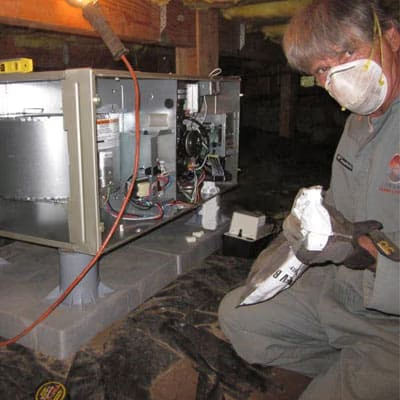
Regular AC coil cleaning is one of the most important maintenance tasks for keeping your air conditioning system running efficiently and extending its lifespan. The evaporator and condenser coils are the heart of your AC system, responsible for heat transfer that makes cooling possible. When these coils become dirty or clogged, your AC loses efficiency, costs more to operate, and can suffer premature failure.
Portland’s climate throws extra challenges at your coils. Wet winters create moisture buildup that feeds mold and mildew. Spring pollen coats outdoor condensers in thick debris. Wildfire smoke adds fine particulates that plug up coil fins. And our mild-but-humid conditions are basically a growth chamber for biological buildup. Most Portland homeowners need coil cleaning at least once a year, and more often if you live near trees, have pets, or deal with heavy pollen seasons.
Below, we cover how often to clean AC coils, signs of dirty coils, DIY cleaning methods, and when to call professionals for AC repair service.
Why Clean AC Coils?
Clean coils improve efficiency by 20-40%, reduce energy costs, prevent breakdowns, and extend system life. In Portland, dirty coils from pollen and humidity can cause $200-500 in extra annual energy costs and lead to costly repairs.
AC Coil Cleaning Frequency by Location & Factors
Portland Urban Homes
Environmental Factors:
Dust, pollen, traffic pollution
Evaporator Coil:
Every 6 months
Condenser Coil:
Every 6 months
Notes:
High pollen season requires extra attention
Portland Suburban Homes
Environmental Factors:
Cleaner air, some pollen
Evaporator Coil:
Every 9-12 months
Condenser Coil:
Every 6-9 months
Notes:
Less frequent cleaning than urban areas
Homes with Pets
Environmental Factors:
Pet dander, hair, allergens
Evaporator Coil:
Every 3-6 months
Condenser Coil:
Every 3-6 months
Notes:
Pet hair clogs coils quickly
Homes with Smokers
Environmental Factors:
Tobacco smoke residue
Evaporator Coil:
Every 3 months
Condenser Coil:
Every 3 months
Notes:
Smoke creates sticky residue
Coastal Areas
Environmental Factors:
Salt air, humidity
Evaporator Coil:
Every 6 months
Condenser Coil:
Every 4-6 months
Notes:
Salt corrosion requires frequent cleaning
Signs Your AC Coils Need Cleaning
Reduced Cooling Performance
Explanation:
AC takes longer to cool, rooms stay warm
Severity:
High - Indicates significant blockage
Action: Clean coils immediately, check for other issues
Higher Energy Bills
Explanation:
AC runs longer to achieve same cooling
Severity:
Medium - Gradual efficiency loss
Action: Clean coils, monitor usage patterns
Ice Formation on Coils
Explanation:
Frozen evaporator coil restricts airflow
Severity:
High - Can damage compressor
Action: Turn off AC, clean coils, check refrigerant
Unusual Noises
Explanation:
Hissing, bubbling from dirty coils
Severity:
Medium - Indicates airflow restriction
Action: Clean coils, check for loose components
Visible Dirt on Coils
Explanation:
Dust, mold visible through vents
Severity:
High - Major contamination
Action: Professional deep cleaning required
Frequent Cycling
Explanation:
AC turns on/off more often than normal
Severity:
Medium - Efficiency loss
Action: Clean coils, check thermostat settings
AC Coil Cleaning Methods and Techniques
DIY Evaporator Coil Cleaning
Difficulty:
Easy
Tools Needed:
Coil cleaner spray, soft brush, vacuum
Steps:
Turn off power, remove access panel, spray cleaner, brush gently, rinse
Cost:
$20-
Best For: Regular maintenance, visible dirt
Professional Coil Cleaning
Difficulty:
N/A - Professional
Tools Needed:
Specialized equipment, chemicals
Steps:
Complete disassembly, deep cleaning, reassembly
Cost:
$150-
Best For: Heavy contamination, annual service
Condenser Coil Cleaning
Difficulty:
Medium
Tools Needed:
Garden hose, coil brush, fin comb
Steps:
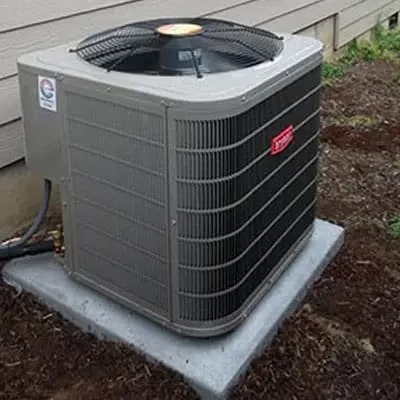
Remove grill, rinse with water, brush gently
Cost:
Free to $50
Best For: Outdoor condenser units
Chemical Coil Cleaning
Difficulty:
Medium
Tools Needed:
Coil cleaner, spray bottle, gloves
Steps:
Apply cleaner, let sit, rinse thoroughly
Cost:
$15-
Best For: Greasy or moldy buildup
Portland AC Coil Cleaning Considerations
Seasonal Cleaning Schedule
- Spring (April-May): Clean before summer heat
- Summer (July-August): Mid-season check if needed
- Fall (September-October): Clean after summer use
- Winter (November-March): No cleaning needed
- Emergency: Clean immediately if performance drops
Portland Environmental Factors
- Pollen Season: March-June requires extra cleaning
- Urban Dust: Downtown areas need more frequent cleaning
- Humidity: Promotes mold growth on coils
- Wildfire Smoke: Can coat coils with residue
- Construction Dust: Nearby building increases cleaning needs
Cost Savings from Regular Cleaning
Regular AC coil cleaning saves $100-300 annually on energy bills and prevents $500-2,000 in repair costs. In Portland, where electricity costs are high, clean coils can reduce AC operating costs by 20-40%. Professional cleaning pays for itself within one cooling season through improved efficiency and prevented breakdowns.
Clean coils also improve indoor air quality by reducing dust, pollen, and mold circulation.
Due for a coil cleaning?
Our AC maintenance includes evaporator and condenser coil inspection and cleaning, part of every $149 spring tune-up.
Frequently Asked Questions
How often should AC coils be cleaned?
AC coils should be cleaned every 6-12 months depending on usage, location, and air quality. In Portland, with our dusty and humid climate, evaporator coils should be cleaned 1-2 times per year, while condenser coils need cleaning every 6 months. Pets, smoking, or cooking can require more frequent cleaning. Regular cleaning prevents efficiency loss and costly repairs.
What are signs of dirty AC coils?
Signs include reduced cooling capacity, higher energy bills, ice formation on coils, dirty or clogged coils visible through vents, unusual noises, and longer cooling cycles. In Portland homes, dirty coils are common due to pollen, dust, and humidity. If your AC isn’t cooling properly or bills are rising, dirty coils are often the culprit.
Can I clean AC coils myself?
Yes, evaporator coils can be cleaned DIY with coil cleaner spray and a soft brush. However, condenser coils should be cleaned by professionals due to safety risks. In Portland, many homeowners clean evaporator coils themselves, but professional cleaning ensures thorough results and prevents damage. Always turn off power before cleaning and wear protective gear.
How much does professional AC coil cleaning cost?
Professional AC coil cleaning costs $100-$200 for basic service, $200-$400 for deep cleaning. In Portland, average cost is $150-$250 including both coils. Prices vary by system type and dirt level. While DIY saves money, professional cleaning prevents damage and ensures proper cleaning. Most AC tune-ups include coil cleaning.
What happens if AC coils aren’t cleaned?
Dirty coils reduce efficiency by 20-40%, increase energy costs, cause compressor failure, and can lead to complete system breakdown. In Portland’s humid climate, dirty coils promote mold growth and reduce indoor air quality. Regular cleaning prevents $500-$2,000 in repair costs and extends system life by 2-5 years.
Should I clean AC coils in summer or winter?
Clean AC coils before cooling season starts (spring) and after it ends (fall). In Portland, clean before summer heat waves and after fall rains. Avoid cleaning during peak summer use when system is under heavy load. Regular maintenance prevents summer breakdowns and ensures peak efficiency during hottest months.